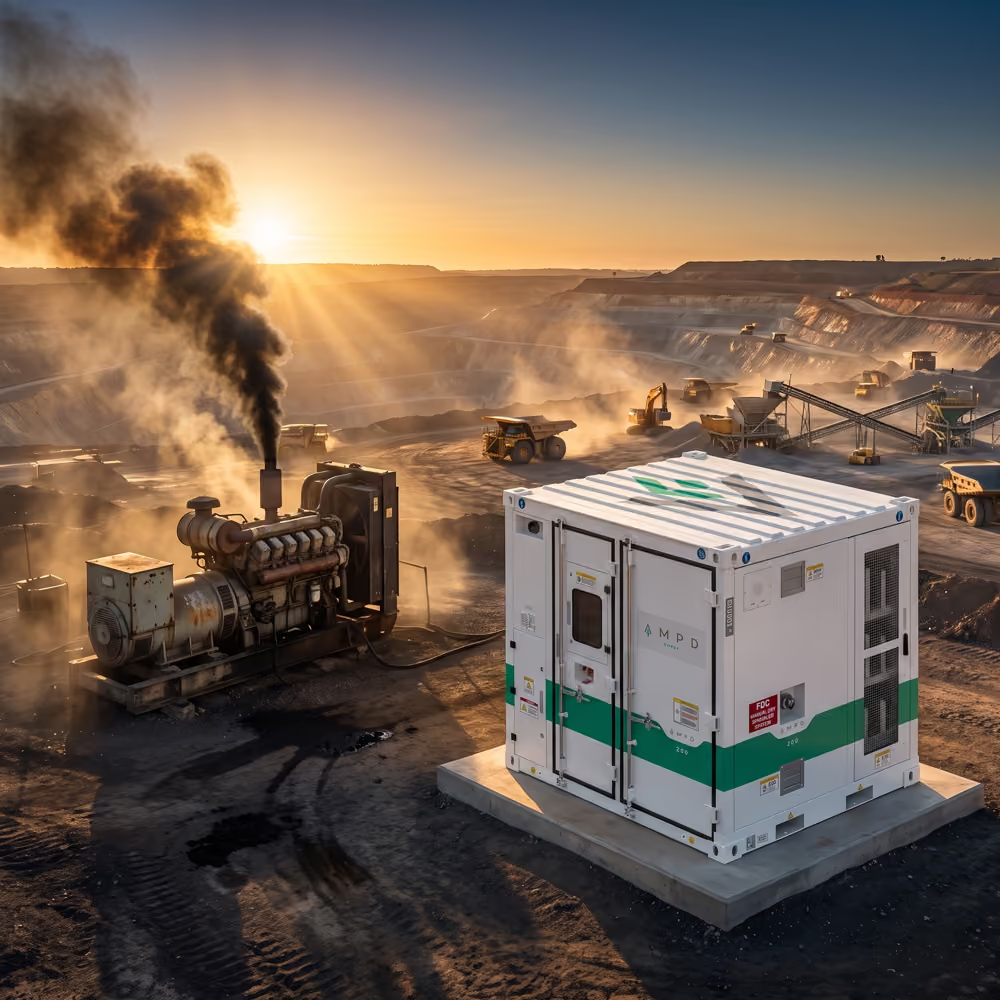
On 1st December 2026, Safe Work Australia is bringing in a legally binding national limit for Diesel Particulate Matter (DPM). For most mines, using an ESS to eliminate or hybridize stationary diesel generators can have a significant impact on the journey to compliance.
.avif)

Click here to find out more about how to find us at the event and to claim your free pint!
claim a free pint!Unlike a haul truck that burns fuel only when moving material, a diesel generator often runs 24/7. To handle the massive electrical surge required to start a large conveyor or dewatering pump, the generator must be heavily oversized. This means for 90% of the day, it idles at low capacities (<40%). Low-capacity idling results in incomplete combustion, which produces the absolute highest concentrations of DPM and harmful gases.
By deploying an Ampd ESS, you can either downsize the generator or turn it off completely during off-peak hours. If the generator is off, its local DPM, Nitric Oxide, and Carbon Monoxide emissions drop to absolute zero.
When a generator does need to switch on to charge the Ampd battery, the battery forces the generator to run at its optimal load sweet spot (>75%). At this high capacity, the engine burns fuel cleanly and efficiently, drastically reducing the volume of particulate matter generated per liter of fuel.
Yes. Ampd ESS units like the Ampd 400 provide up to 595 kVA of peak power, making them purpose-built for the high-torque transients of tower cranes and hoists.
A typical hybrid setup (Ampd + small generator) reduces annual fuel consumption by 48% to 60%, leading to a purchase payback period of approximately 2 years.
Switching to an Ampd BESS eliminates refueling downtime, provides 24/7 data transparency via the Enernet platform, and removes the risk of diesel spills and fire hazards.